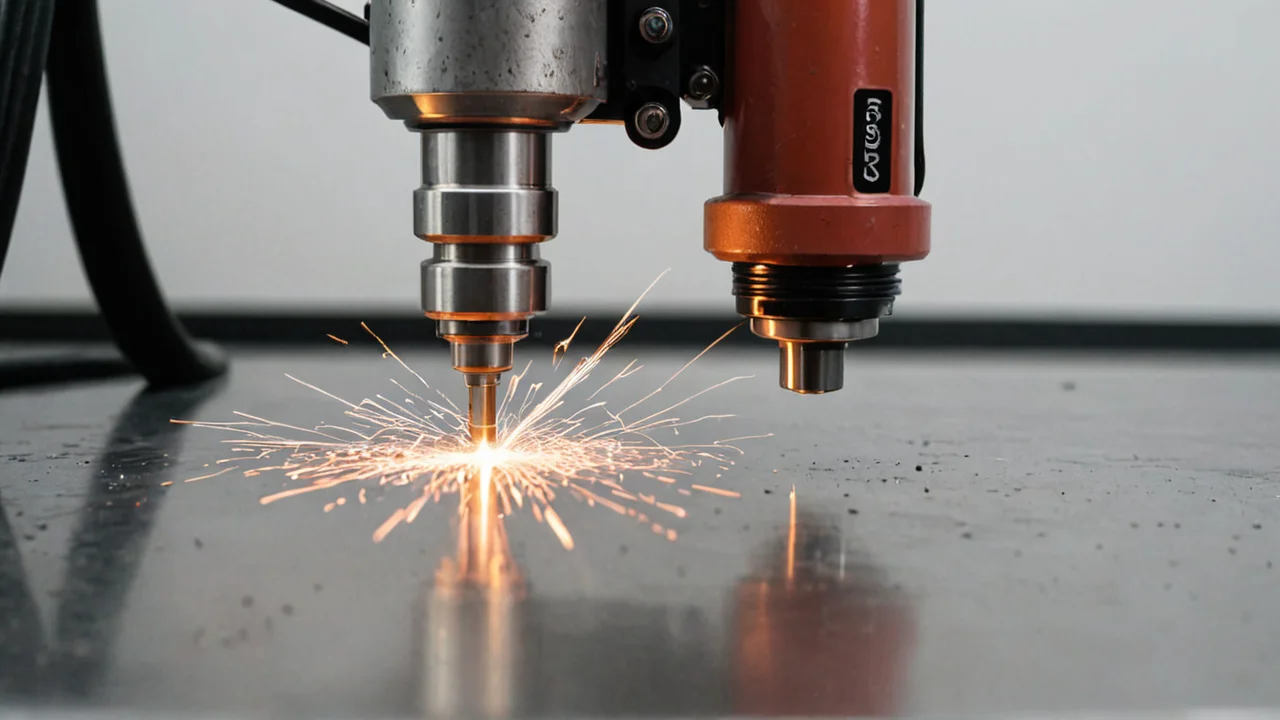
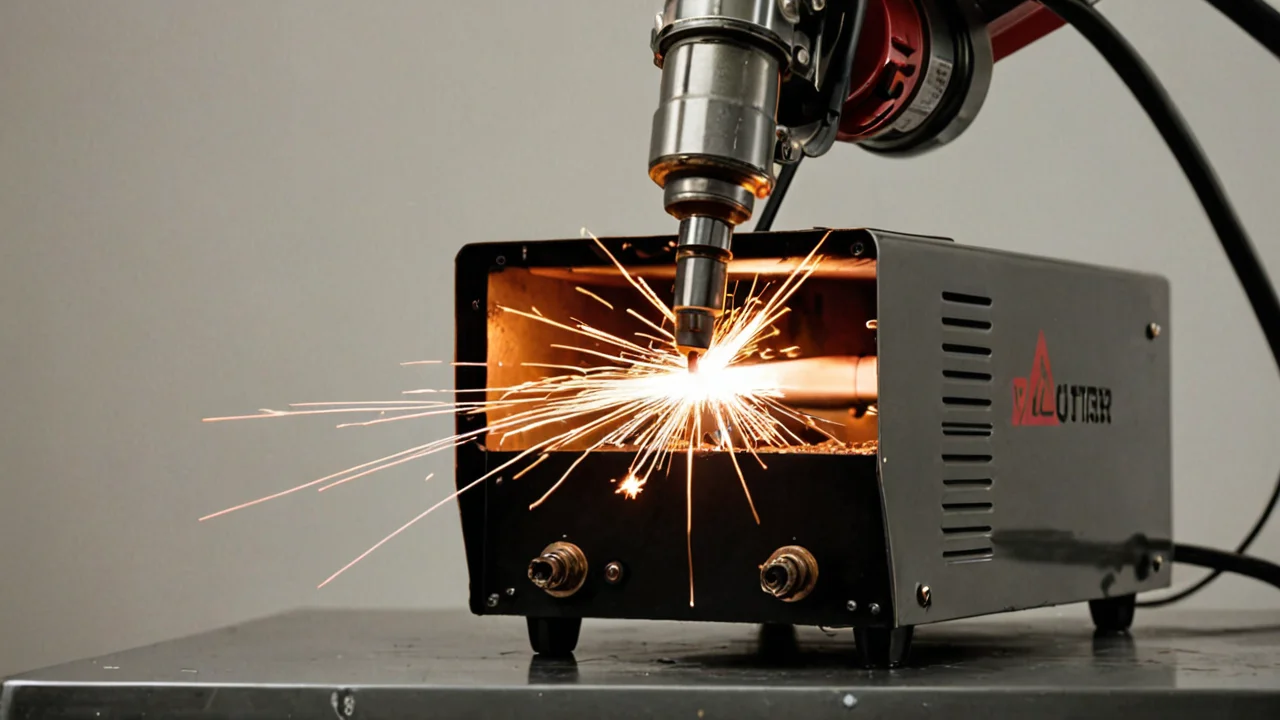
Industrial welding and cutting is a set of process choices constrained by physics, not by brand preference: TIG for controlled, contamination-free fusion on steel, stainless and aluminum; plasma for severing plate fast; and a supporting cast of MIG, stick and mechanized variants where deposition rate or portability outweighs precision. The decisions that separate good work from scrap are gas flow, arc starting method, power supply capability and air quality — and each one has a cost you pay somewhere else.
How the arc is protected, and why gas flow is the first thing to check
Set argon flow before you touch the torch to metal, and set it with a flowmeter, not by ear. For TIG welding with argon, the typical shielding gas flow rate range is 10–35 cubic feet per hour (cfh). On a machine like the LNT 25 power source, the recommended argon range is 10–15 liters per minute (L/min). Those two ranges describe the same job at different scales — a small bench machine and a general-purpose torch — and both exist because shielding gas is a Goldilocks variable. Too little and the molten pool pulls in oxygen, nitrogen and water vapor from the air, which shows up as porosity, a dull or gray bead on stainless, and a tungsten electrode that blackens and spits. Too much and you get turbulence: the gas jet breaks the smooth envelope, entrains room air at the edges of the cup, and you get the same porosity you were trying to prevent, plus a whistling torch and a drained cylinder by lunchtime.
The gas itself matters as much as the rate. Pure argon is a noble gas used as the primary shielding gas in TIG welding, typically supplied as high-purity welding-grade argon at around 99.99% or higher to ensure stable arc characteristics and minimize contamination of the weld. Argon-helium mixtures enter the picture when you need more heat input into thick aluminum or copper — helium raises arc voltage and widens the pool — at the cost of a harsher arc, worse arc starting, and a higher gas bill. For most stainless and carbon steel work, pure argon is the correct default and helium is an expensive answer to a problem you probably don't have.
The failure mode you will actually encounter is not a wrong setting but a leak or a restriction: a split hose, a loose regulator fitting, a kinked line, a cup full of spatter. The symptom is a weld that looks fine on the surface and fails a bend test, or a tungsten that turns blue-black within seconds of starting. Check gas flow at the cup with a flowmeter before blaming the machine. The limit of the flow-range guidance is that it assumes a gas lens or a standard collet body in still air; if you are welding outdoors or in a draft, no flow rate in that range will save you, and a windbreak is the correct tool, not a higher number.
Starting the arc: high-frequency versus lift, and what each costs you
Choose lift TIG when the work sits near electronics, instrumentation or anything that dislikes radio-frequency noise. Lift TIG welding is a TIG arc-starting method in which the tungsten is briefly touched to the workpiece at low open-circuit voltage and then lifted to initiate the arc, reducing the risk of high-frequency electromagnetic interference with nearby electronics. The touch is not a mistake — it is the mechanism. The tungsten contacts the plate, the machine senses the short at low voltage, and as you lift, the arc establishes. The cost is a contaminated tungsten tip on every start, which means you either get good at a quick touch-and-lift or you spend the day re-sharpening, and a fouled tungsten puts tungsten inclusions into the weld if you are careless.
High-frequency start is the alternative: the machine superimposes a burst of high voltage that jumps the gap without contact, giving a clean, uncontaminated start every time. It is faster, kinder to the electrode, and the default on most AC/DC TIG sets sold for shop work. The trade-off is exactly the interference lift TIG was invented to avoid — HF start can upset nearby sensors, PLCs, radios and older CNC controls, and it travels down cables and through the air. In a fabrication bay full of electronics, that is a real problem; on a bench by yourself, it is not.
Whichever you use, arc starting quality degrades with tungsten condition. A balled or contaminated tip on a lift-start machine will not establish cleanly and you will find yourself stabbing at the plate. Grind the tungsten longitudinally, not radially, and keep a dedicated sharpening station. The limit of this advice is aluminum on AC: the electrode naturally forms a ball, so the sharpening discipline that serves you on stainless does not transfer directly.
Plasma cutting: the power supply and the air supply are two separate problems
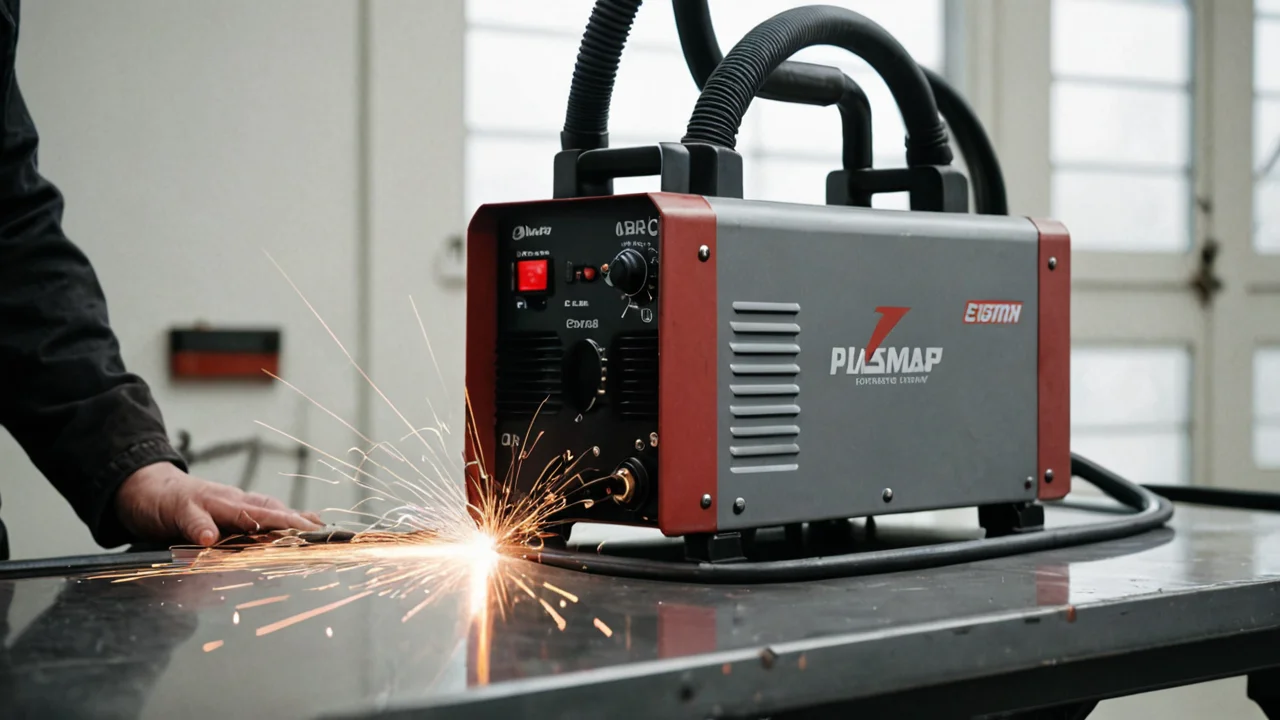
Plasma cutting needs a high open-circuit voltage to strike and hold the arc — the common DC voltage range required to start and maintain a plasma cutting arc is 200–400 volts DC. That is a different electrical animal from a welding machine, and it is why plasma cutters carry their own power-supply design and their own safety considerations. You cannot substitute a welder's output for a plasma cutter's, and you cannot judge a cutter by its input amperage alone; the arc voltage and the torch consumables do the work.
The second supply is compressed air, and it fails more often than the electrical side. A 40 A air plasma cutter requires a compressed air supply pressure range of 80–120 PSI, and at that pressure it draws approximately 5.3 cubic feet per minute (cfm). A small shop compressor rated for a fraction of that flow will hold pressure at idle and sag the moment you pull the trigger, giving you a weak, dross-covered cut and short consumable life. Moisture is the other killer: wet air destroys electrodes and nozzles fast, and a cut that sputters and leaves a ragged bottom edge is often a water problem, not a torch problem. A refrigerated dryer or a proper coalescing filter pays for itself in consumables.
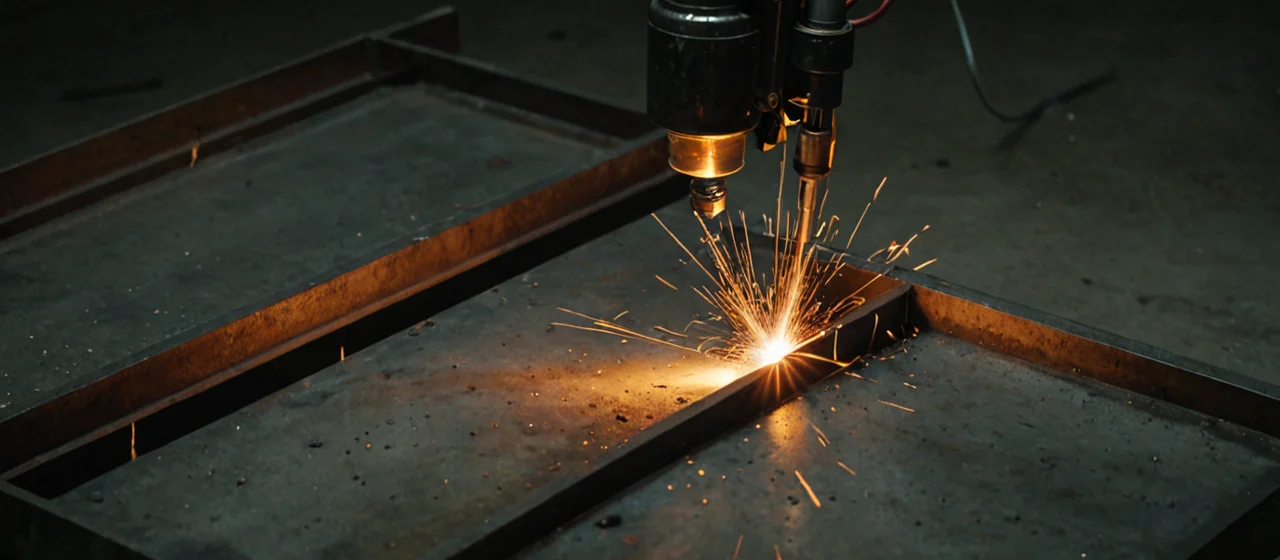
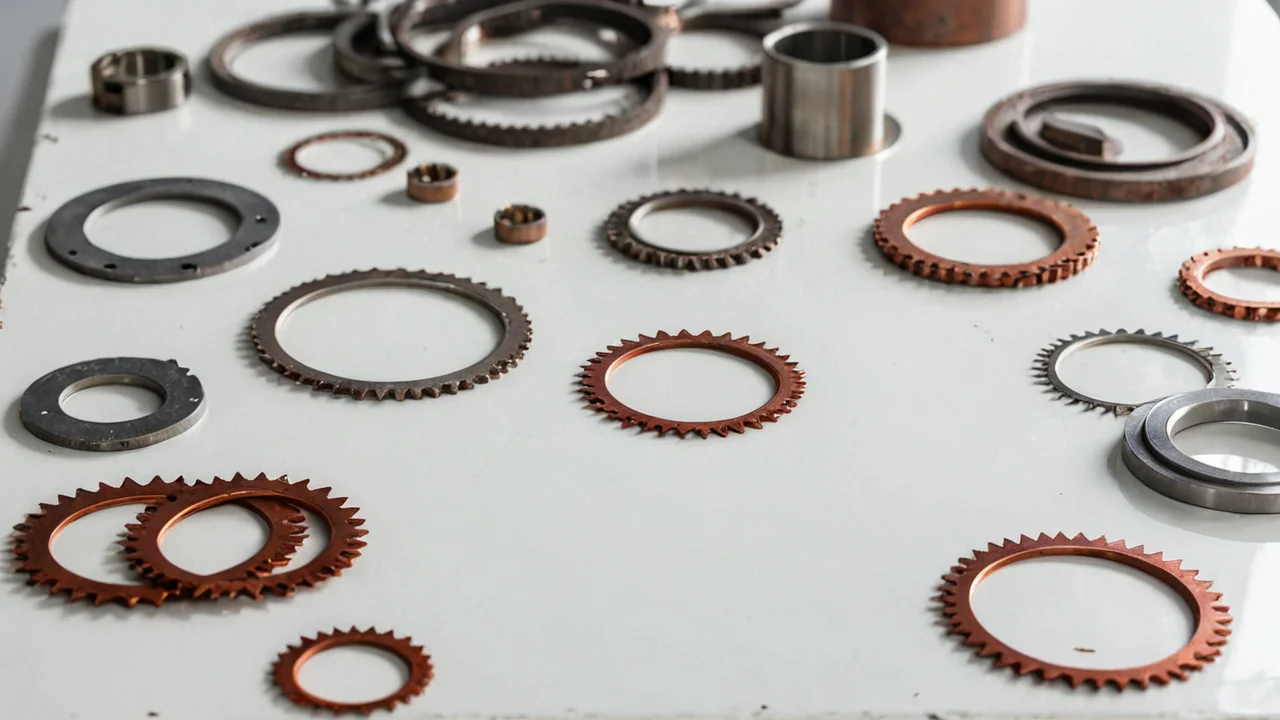
Cut quality is a function of travel speed, standoff, amperage and air quality together. Drag cutting — resting the shield on the plate — is fine on thin material and gives you a guide, but it wears consumables and ruins edge squareness on thicker plate. The honest trade-off of plasma is that it cuts anything conductive, fast, including painted, rusty and stacked material, but it leaves a heat-affected zone and a bevel that usually needs cleanup. For a clean, dimensionally tight edge on stainless, a waterjet or laser will beat it; for a repair bay or a job shop cutting mixed material, nothing else is as flexible for the money.
Matching the process to the metal, and the joint, before you touch a dial
TIG welding (Gas Tungsten Arc Welding, GTAW) is an arc welding process using a nonconsumable tungsten electrode and an inert shielding gas, typically argon, to protect the molten weld pool from atmospheric contamination; it is commonly used for precise, high-quality welds on metals such as steel, stainless steel and aluminum. That definition is also its limitation. TIG gives you independent control of heat and filler, a clean arc with no spatter, and the ability to weld thin material without blowing through it — and it gives you all of that at a deposition rate that will lose you money on thick plate. If you are running structural fillets on half-inch carbon steel, TIG is the wrong tool and MIG or flux-cored is the right one, no matter how good your TIG looks.
The metal decides more than the process. Aluminum wants AC (for the cleaning action) and a different torch technique; stainless wants careful heat input to avoid carbide precipitation and distortion; carbon steel is forgiving but rust and mill scale will contaminate a TIG pool instantly, so grinding to bright metal is not optional. The shielding gas definition above is the reason: in TIG welding, the protective gas — most commonly 100% argon or argon-helium mixtures — is directed around the tungsten electrode and weld pool to prevent contact with oxygen, nitrogen and water vapor in the air, which can cause porosity and weld defects. Any oil, paint, grease or moisture on the joint is a contamination source the gas cannot compensate for.
Joint design is where beginners lose the most time. A butt joint on thin sheet needs a tight fit-up and a backing or a purge on stainless; a lap joint hides poor fit-up but concentrates corrosion risk; a fillet is the workhorse. Fit-up tolerance is tighter for TIG than for MIG because there is no slag or spatter to bridge a gap, and a gap you can see light through is a gap the arc will find. The cost of getting this right up front is fixturing and prep time; the cost of getting it wrong is rework, and rework on stainless is expensive.
Power source capability, duty cycle and the shop infrastructure behind the machine
Buy the power source for the duty cycle you will actually run, not the peak amperage on the badge. A machine rated at a high output for a short duty cycle will thermal-trip in the middle of a production run, and the trip always happens on the last weld of the day. Duty cycle is a percentage of a ten-minute period at a given amperage, and the number that matters is the one at your working amperage, not the one in the brochure. If you weld thin material at low amperage all day, a smaller machine is fine; if you weld thick aluminum at high amperage, you need headroom and you will pay for it in input power.
Input power is the hidden cost. A machine that needs a dedicated circuit and a heavy breaker changes your shop layout, your extension cord gauge and your insurance conversation. Plasma cutting at the voltage range noted above is not a plug-into-any-outlet proposition either; check the nameplate input requirements before you buy, and check whether your service can carry it alongside a dust collector, a compressor and the lights. The trade-off of buying a bigger machine than you need is real: more capability, more infrastructure, more cost, and a machine that idles inefficiently on thin work. The trade-off of buying too small is thermal trips and a limited material range.
Consumables and torches are part of the power-source decision, not an afterthought. A plasma cutter with cheap consumables that last a short time costs more per cut than one with expensive consumables that last; a TIG torch with a gas lens and a good collet body gives you better gas coverage at lower flow than a cheap one. Keep a log of consumable life against cut or weld length — it is the only honest way to compare machines, and the number that manufacturers quote is rarely the number you will see.
Quality control, distortion and the mistakes that cost the most
Control distortion before you control the weld. The sequence of your passes, the direction of travel, the amount of heat you put in and the fixturing all move metal, and on thin sheet the weld is often straighter than the plate around it. Backstep welding, staggered sequences on opposite sides of a joint, and clamping to a strongback are cheap compared to straightening. On stainless, the heat-affected zone discoloration is a map of your heat input: a straw color is acceptable on many jobs, a heavy blue-black oxide means you overheated and probably lost corrosion resistance, and the fix is faster travel and less amperage, not more gas.
Porosity is the most common reject and the least mysterious. It comes from contamination — oil, moisture, paint, rust, a leaky gas line, a draft, or a flow rate outside the working range. The diagnostic sequence is: check the gas flow at the cup, check the hose and fittings for leaks, check the base metal is clean to bright metal, check there is no draft, then check the tungsten. Only after all of that should you suspect the machine. The limit of that sequence is that it assumes the operator can see the weld; on a root pass inside a pipe, you are relying on purge quality and procedure, and a purge dam that leaks is invisible until the radiograph comes back.
The most expensive mistake in industrial work is not a bad weld — it is a weld made to the wrong procedure. A procedure qualification exists because the combination of process, filler, gas, heat input and position has been tested; deviating from it because the welder prefers a different technique invalidates the qualification. The cost of following the procedure is slower work and less freedom. The cost of ignoring it is a rejected part, a re-test, or a failure in service. On code work, the paperwork is the deliverable as much as the metal, and the shop that treats the WPS as a suggestion is the shop that reworks.
Finally, calibrate your expectations against the process. TIG gives you the cleanest weld and the slowest deposition; plasma gives you the fastest cut and a bevel you will dress; MIG gives you speed and spatter; stick gives you portability and slag. None of them is best at everything, and the industrial answer is usually to own more than one and choose deliberately. The reader who knows why the gas range is what it is, why lift start exists, and why a plasma cutter needs both volts and cfm is already ahead of the one who only knows which brand the local supplier pushes.